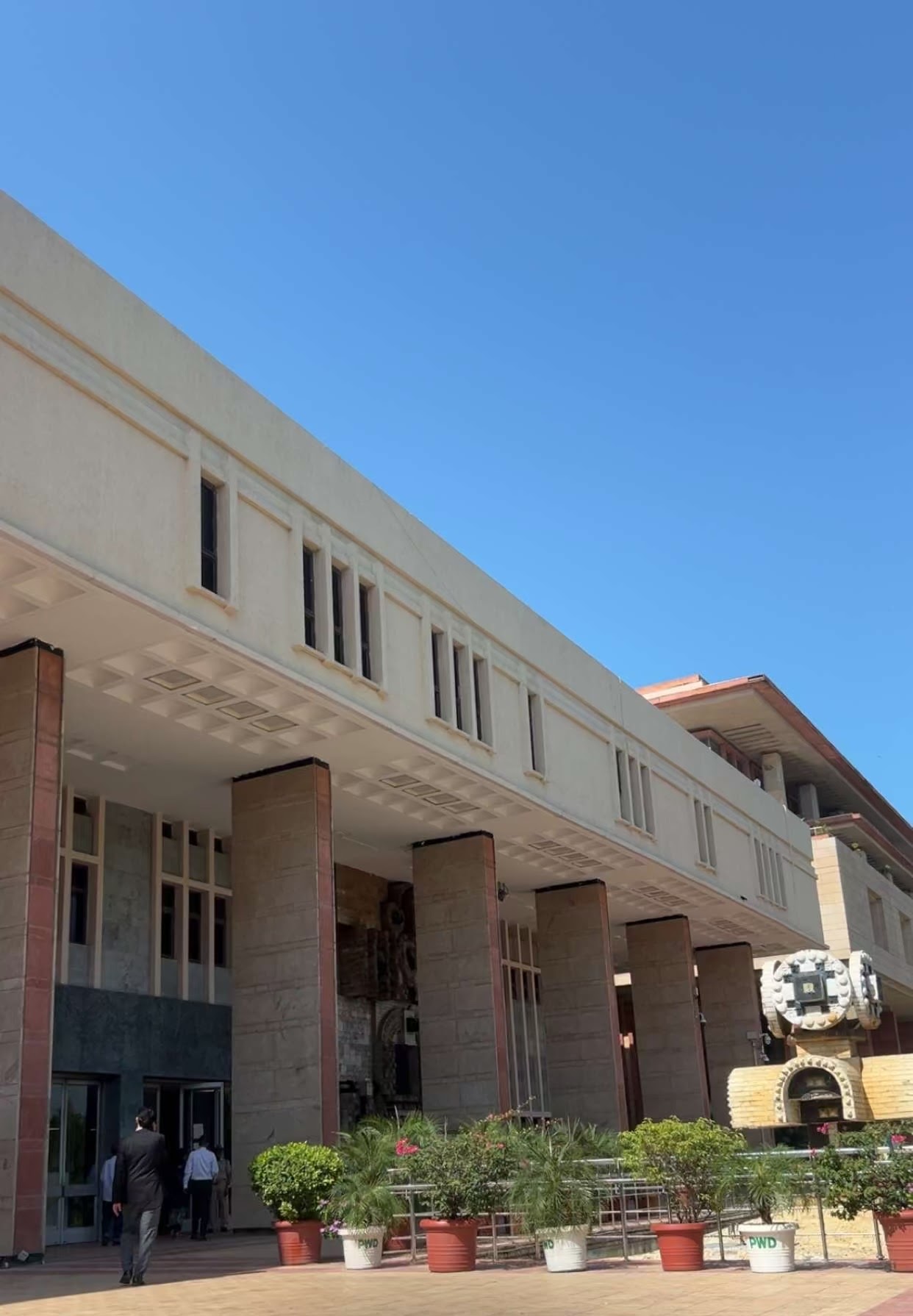
In an Important ruling, the Hon’ble Delhi High Court has dismissed a petition challenging a trial court’s order that permitted a plaintiff to place additional documents on record under Order VII Rule 14 of the Code of Civil Procedure.
Justice Girish Kathpalia held that the defendants themselves created the necessity for filing the documents by challenging the plaintiff’s ownership during cross-examination, remarking that “cross-examination is not what to ask, but what not to ask”.
Court’s Analysis and Observations Justice Girish Kathpalia noted that the admitted position was that the documents did not exist prior to September-October 2023. The Court place signiface reliance on a specific exchange that occured during the cross examination of the respondent/plaintiff.
-
Cites a ruling of a court (or refers to common wisdom) that, when doing cross-examination, the crucial skill is not just which questions to ask, but also which questions to avoid.
-
That suggests that over-questioning (asking unnecessary, harmful, or unhelpful questions) can be as detrimental or more than asking too little. In other words: good cross-examination is as much about strategic restraint as about strategic action.
Why is this important? Because a poorly framed or unnecessary question can:
-
Undermine the own case for example, by giving the witness a chance to explain or elaborate in a way helpful to them.
-
Appear as harassment, intimidation, or unfair treatment harming the advocate’s credibility.
-
Waste time or shift focus away from the core issues of the case.
Thus, the post’s aphorism calls attention to the discipline and judgment required in cross-examining: not every fact you know needs a question only those that advance your case or weaken the opponent’s.