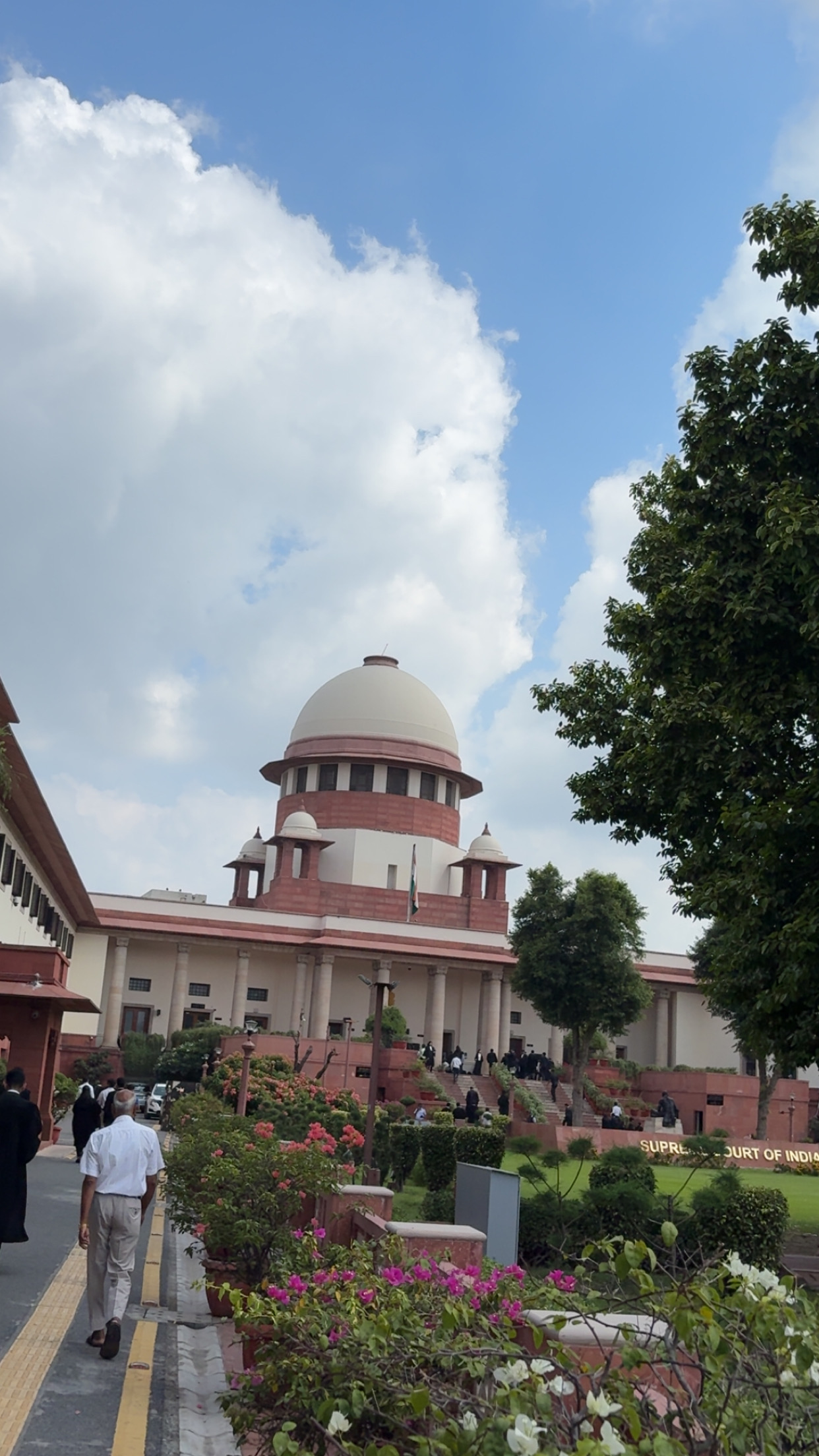
The Supreme Court has reaffirmed that when a complaint clearly discloses cognizable offences, a Magistrate is fully empowered to order investigation under Section 156(3) CrPC and such investigation should not be stopped at the initial stage.
In the case at hand, the complainant alleged that the accused used a forged Rent Agreement on a fake e-stamp paper to obtain favourable court orders. The Magistrate ordered investigation under Section 156(3), leading to registration of an FIR. The Karnataka High Court later quashed the FIR, holding that the Magistrate had not applied his mind.
The Supreme Court reversed this, holding:
✔️ The Magistrate had adequate material, including official confirmation that the stamp paper was fake
✔️ Invocation of Section 156(3) was appropriate
✔️ The High Court should not have quashed the FIR at the threshold
✔️ When allegations disclose cognizable offences, police investigation must be allowed to proceed without interference