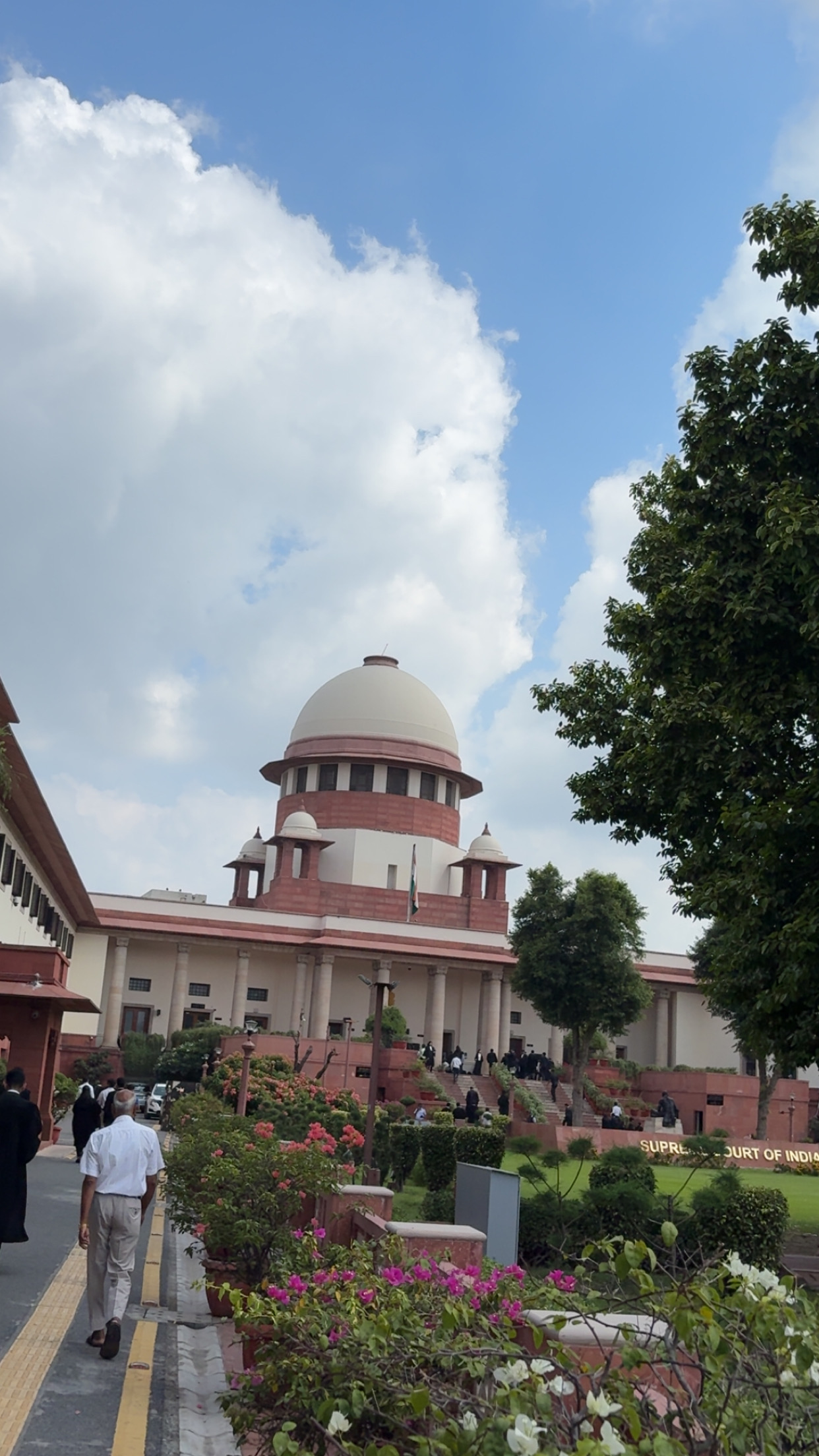
- In the case Jai Balaji Industries Ltd. v. M/s HEG Ltd., the SC held that when an account-payee cheque is dishonoured, the complaint under Section 138 of the Negotiable Instruments Act, 1881 must be filed in the court having jurisdiction over the branch of the bank where the payee maintains their account (i.e. the payee’s “home branch”).
- It clarified that even if the payee deposits or “drops” the cheque at a different branch (for convenience or operational reasons), for legal/jurisdictional purposes the cheque is deemed to have been “delivered” at the payee’s home branch as per the “deeming fiction” in the Explanation to Section 142(2)(a) of the Negotiable Instruments Act, 1881.
- The SC explicitly overruled a previous decision Yogesh Upadhyay v. Atlanta Ltd. (2023) that had held the place of presentation (i.e. where the cheque was physically deposited) to have jurisdiction. The Court found that earlier ruling “per incuriam” because it ignored the Explanation to Section 142(2)(a).
- Thus the controlling factor is where the payee’s bank account is maintained, not where the cheque was deposited or presented.
Why This Matters Legal & Practical Implications
- Stops forum-shopping / jurisdictional manipulation: Under the earlier (incorrect) view, a payee could choose to deposit the cheque at a branch in a convenient city or state and then file the complaint there. The new ruling removes that flexibility and fixes jurisdiction firmly at the home-branch location.
- Certainty for litigants: Complainants now know in advance which court to approach. This reduces dismissals or transfers simply on jurisdictional grounds.
- Consistency with statutory design: The 2015 amendment to Section 142 (introducing 142(2)(a)) was meant to streamline jurisdiction for cheque cases. The SC’s interpretation stays true to that legislative purpose.
- Implications for cross-state transactions: In an era where payee and drawer might be in different states or where payees deposit cheques at distant branches this ruling ensures dishonour-complaints are filed in the correct territorial jurisdiction regardless of deposit location.
Legal Basis & Interpretation
- The Act (after 2015 amendment) distinguishes between cheques “delivered for collection through an account” (i.e. account-payee cheques) and other types. For the former, the statutory provision ties jurisdiction to the branch where payee’s account stands, not where the cheque is presented.
- The “home branch” concept matters because it reflects the actual legal relationship between payee and that specific bank branch not merely a convenience of deposit. The “deeming fiction” in Section 142(2)(a) treats any deposit elsewhere as delivery at the home branch for jurisdictional purposes.
- The ruling aligns with earlier case law e.g. Bridgestone India Private Limited v. Inderpal Singh which had similarly held that jurisdiction lies where the payee’s account is maintained.
What Should Parties Do (Payee / Drawer / Lawyers)
- If you are payee and receive an account-payee cheque: check your home-branch that’s where a dishonour complaint should be filed, irrespective of where you deposit the cheque.
- If you are drawer and cheque bounces: contest or prepare defence, but be aware that the complaint needs to be in the correct court remisjudging your case or challenging jurisdiction on wrong grounds is no longer viable.
- If you are a lawyer advising clients: ensure pleadings and filings are in the court territorial to payee’s account-branch; don’t rely on old precedents which allowed filing at place of presentation.
- For companies dealing pan-India: maintain clarity about where their bank account is maintained as that determines where disputes under Section 138 could be tried.
The judgment held that the intepretation held in Yogesh will enable forum-shopping. “If we accept the construction placed on Section 142(2)(a) by the decision in Yogesh Upadhyay (supra), we will be allowing a payee to manipulate the question of jurisdiction in his favour by letting him decide where he wants to deliver the cheque for collection. We are of the firm opinion that the legislature could not have intended to let misuse perpetuate in such a manner.”, the court observed, adding that the necessity of delivery of an account payee cheque to the home branch is only legal and not commercial.
“once it is identified that the cheque in question is an account payee cheque, the delivery must be to such branch in which the payee maintains the account as it is this branch of the bank that will receive the funds in the account maintained by the payee, from the drawee bank which will debit the drawer’s account to send such amount. However, the necessity of delivery of an account payee cheque to the home branch is only legal and not commercial. It is to address commercial exigencies that the legislature enacted the Explanation to Section 142(2)(a). The deeming fiction in the Explanation ensures that even if a cheque is delivered to a branch other than the home branch for commercial convenience, it shall be considered to have been delivered to the home branch for the legal purpose of determining jurisdiction. This understanding is also apparent from this Court’s recent judgment in Prakash Chimanlal Sheth v. Jagruti Keyur Rajpopat, reported in 2025 SCC OnLine SC 1511.”, the Court observed.